I Preached 1,000 Times in One Year. Then I Burned Out.
What God Taught Me About Rest, Recovery, and Finishing Well in Ministry
"Come to Me, all who labor and are heavy laden, and I will give you rest." Matthew 11:28
I Thought I Was Living the Dream
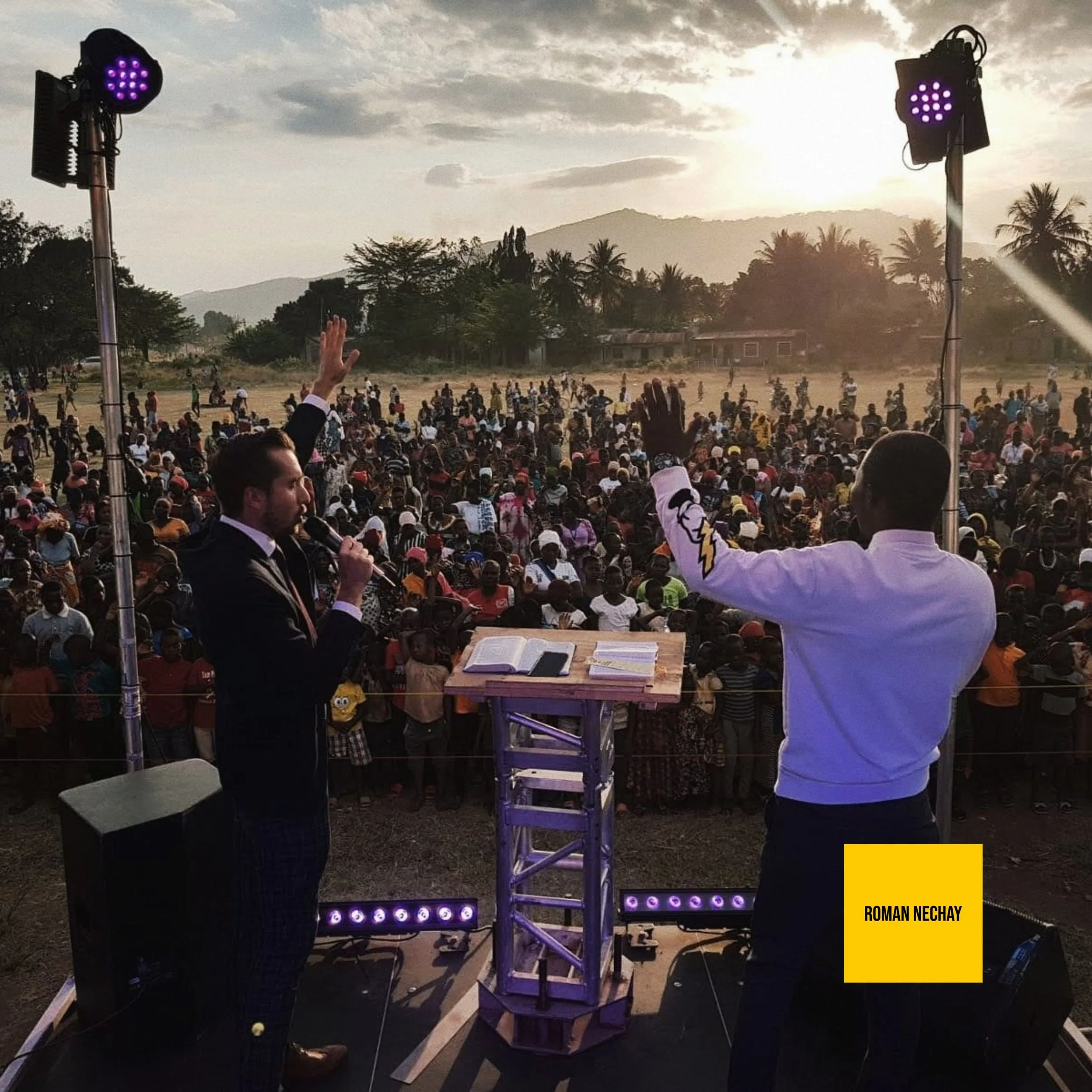
After being on the mission field for just under one year and preaching at over 1,000 youth crusades, I collapsed under the pressure and experienced burnout in every sense.
I was mentally drained, spiritually dry, and emotionally exhausted.
I began questioning everything.
Would I ever preach again?
Would God still use me?
Was my ministry over?
What would I tell my partners, friends, and those who believed in what God had called me to do?
When I returned home after visiting seven countries and seeing 207,376 youth respond to the Gospel, everything at home felt different.
Everything felt dull.
The saturation was low.
Life felt gray.
My room felt quiet.
Too quiet.
It almost felt like I was in rehab.
And maybe, in a way, I was.
Not from drugs or alcohol, but from months of living at an intensity that my body, mind, and soul were not designed to sustain forever.
It was a season of spiritual and mental rehabilitation.
My family welcomed me home, but they didn't fully understand what was happening.
To be honest, I didn't understand either.
For an entire month, I slowly tried to get back on my feet.
I read books.
I took walks through the crisp winter air of Seattle.
I spent time recovering from the incredible season that God had brought me through.

Then one day my pastor called me.
"Roman, would you preach?"
Normally, that would have been an easy yes.
But this time I gently declined.
I wasn't ready to hold a microphone.
I wasn't even sure if I would ever hold one again.
That was a difficult place to be.
Because I still loved Jesus.
I still believed in the calling.
But I had reached a point where I didn't have the strength to keep doing what I loved.
The Dream That Started Everything
Looking back, everything started in late 2021 with a simple thought.
What if I preached the Gospel for an entire year at youth crusades?
Whether that thought came from the Lord or from my own ambition, I honestly don't know.
Maybe it was a mixture of both.
What I did know was this:
I was called to preach Christ.
And the goal in front of me was clear.
One million decisions for Christ.
I wasn't trying to build a name.
I wasn't trying to create a platform.
I simply wanted to spend my life telling as many people as possible about Jesus.
And honestly, the journey was incredible.
It was exciting.
I was meeting new people.
Discovering new countries.
Seeing new places.
Taking territory for Jesus.
God was opening doors that I never imagined.
But at the same time, I was ambitious.
And I was naive.
I knew that Christ uses willing vessels, and I was willing.
The year was fruitful.
Young people were hearing the Gospel.
Thousands were responding.
Lives were being changed.
The pace was like a machine gun.
Everything was happening so quickly.
It was new.
It was exciting.
And I loved it.
But what I didn't realize was that while everything looked successful on the outside, something inside of me was slowly beginning to decay.
Burnout Did Not Happen Overnight
I didn't burn out in one single moment.
It was progressive.
It was silent.
It happened slowly over time.
I didn't fully understand what was happening.
I couldn't even explain it.
I just knew something was wrong.
It started with excitement.
It started with roses and flowers.
On January 7, 2022, I landed in Rwanda.
The excitement was in the air.
I was in a new country.
I was on an incredible journey.
I knew I was in over my head.
But I loved it.
Eventually, the rest of the team joined, and we began our preaching expedition.
Thousands of youth responded to the Gospel.
One night while praying, I remembered 3,927 young people had dedicated their lives to Jesus.
I started crying because of the joy of seeing what God was doing.
I thought about Peter preaching and seeing 3,000 people come to Christ.
And here I was witnessing thousands respond to Jesus.
This was beyond me.
This wasn't about my ability.
This was God moving.
I was happy.
We had a great team.
Everything seemed perfect.
But then days turned into months.
And slowly, things began to change.
I remember my colleague who was with me.
Something seemed different.
He was spending more time on his phone talking with his girlfriend, and we didn't connect as much as before.
The excitement of the beginning started fading.
The ministry became a daily grind.
Wake up.
Travel.
Preach.
Minister.
Sleep.
Repeat.
The joy slowly turned into expectation.
We kept pushing ourselves harder and harder.
I remember traveling from country to country, and by November I kept thinking one phrase:
"Just push through it."
I thought I just needed to make it to the end.
But I didn't realize something important.
I wasn't just tired.
I was depleted.
I was only surviving.
The weekends became difficult.
I would crash.
I didn't know how to properly rest.
I didn't realize that I was constantly switched on.
My mind never truly stopped.
At times in December, I would preach, return to the hotel, and notice something was wrong.
I didn't recognize my own reactions.
I struggled interacting with people.
I felt awkward around my own team.
I couldn't relax and simply be myself.
Looking back, I understand that my mind was exhausted.
I was reading people's expressions incorrectly.
I was overthinking conversations.
I was trying to hide how tired I was.
But exhaustion has a way of affecting relationships.
Even when you love people, you don't always have the capacity to connect deeply.
When My Brain Stopped Working
Near the end of the trip, I decided I would plan the next outreach.
I opened my laptop at a coffee shop in Africa.
But something strange happened.
I couldn't focus.
I couldn't organize my thoughts.
I couldn't plan.
My brain simply wasn't working the way it normally did.
That moment scared me.
I felt depleted.
Isolated.
Empty.
That same day, I booked my flight home.
On December 21, 2022, I returned to my family.
I was finally home.
But I had no idea that my greatest lesson in ministry was about to begin.
Why Missionaries and Evangelists Burn Out
Missionary work and evangelism are unique because we are constantly adapting.
We travel.
We preach.
We sleep.
We repeat.
Different countries.
Different cultures.
Different foods.
Different time zones.
Different environments.
Every adjustment requires energy.
Then add the spiritual weight of carrying a message that impacts eternity.
The pressure of leadership.
The constant decisions.
The noise.
The heat.
The crowds.
The expectations.
All of it creates a level of stress that many people never experience.
And this is why we must take care of ourselves while taking care of others.
When an airplane loses oxygen, the instruction is clear:
Put your own mask on first before helping someone else.
Why?
Because if you cannot breathe, you cannot help the person beside you.
The same principle applies spiritually, mentally, and physically.
If we are empty, eventually we will have nothing healthy to pour out.
God cares about the people we reach.
But He also cares about the person doing the reaching.
Burnout Is a Real Problem
I believe burnout among evangelists and missionaries is a conversation we need to have.
Not because we are weak.
Not because we lack faith.
But because it is real.
Burnout does not suddenly appear.
It builds.
It grows quietly over time.
Years after my own experience, I have had conversations with other evangelists who admitted the same thing.
"I burned out."
"I was tired."
"It became too much."
"I didn't know how to continue."
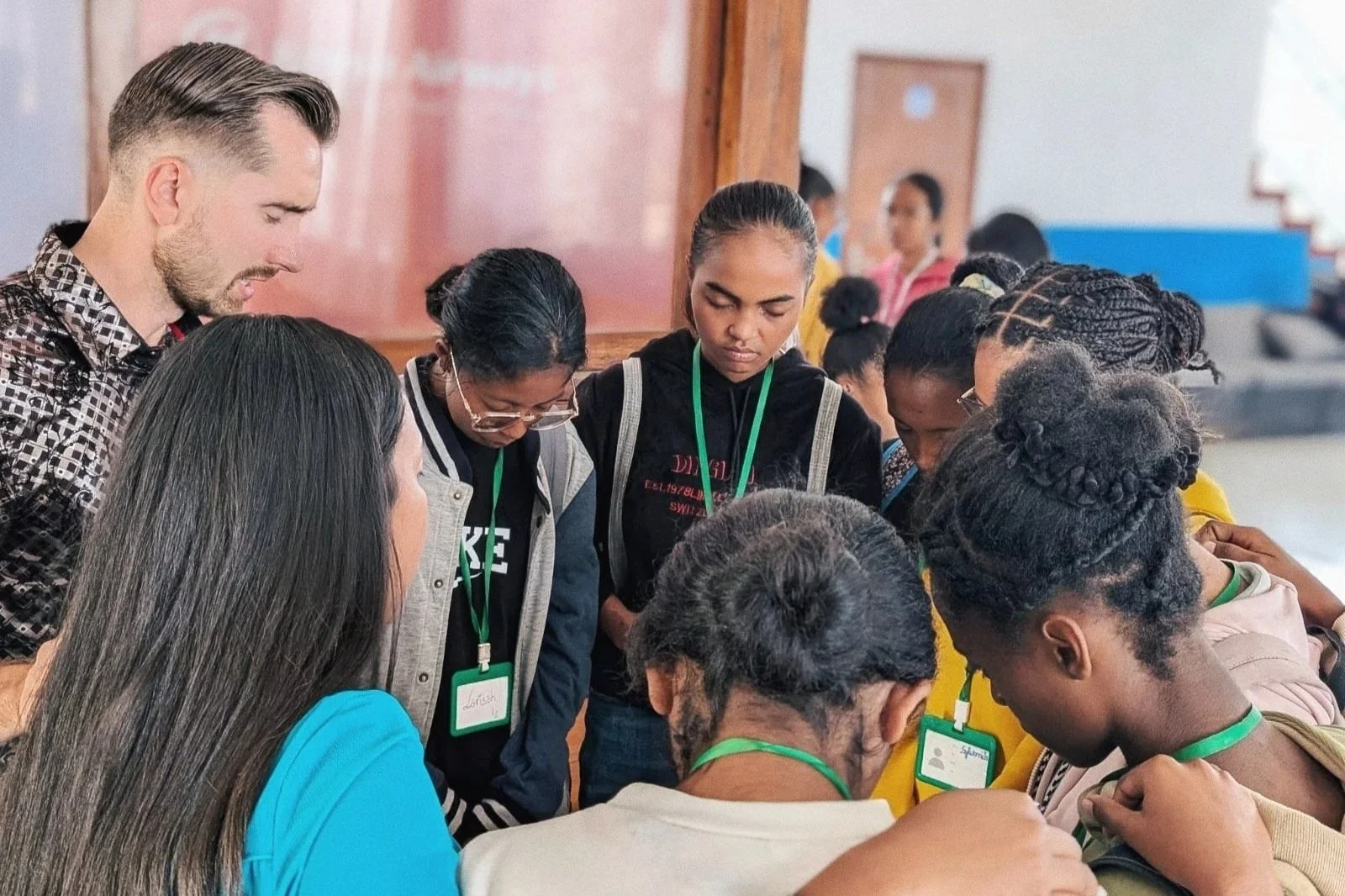
One young evangelist, only 23 years old, told me:
"I burned out. It started affecting my health. I knew I had to do something."
That conversation stayed with me.
Because burnout is not only something that happens to older ministers after decades of ministry.
It can happen to young, passionate people who love Jesus and want to reach the world.
Sometimes the very passion that makes us run hard can also cause us to ignore our limits.
We love the harvest.
We love seeing people saved.
We love watching God move.
But sometimes we forget that the worker in the harvest also needs care.
God did not us robots.
We are not angels.
We are human beings with physical bodies, emotional needs, and limitations.
Learning to rest is not weakness.
It is wisdom.
Rest Is Holy
One of the biggest lessons God taught me was that rest is not laziness.
Rest is not a lack of passion.
Rest is part of God's design.
From the beginning of creation, God Himself rested.
Not because He was tired.
God does not lack strength.
He rested because He was modeling something for us.
He was showing humanity that work and rest flow together.
Sometimes Christians can go to the opposite extreme and make rest religious or legalistic.
That is not the goal.
The goal is balance.
We are not called to be lazy.
We are called to be faithful.
There is a difference.
The purpose of rest is not simply comfort.
The purpose of rest is becoming stronger, healthier, and more effective for what God has called us to do.
A tired minister does not become more spiritual because he is exhausted.
Sometimes exhaustion simply means we ignored the way God designed us.

The Three Seasons of Rest
Over time, I realized that rest is not only something we do after ministry.
It must be built into every season.
There are three important moments where we need intentional rest:
Before the outreach.
During the outreach.
After the outreach.
Neglecting any one of these can eventually lead to burnout.
Before the Outreach: Prepare Yourself, Not Only Your Message
Before I go to the mission field, I now understand the importance of preparation.
Not only preparing sermons.
Not only preparing logistics.
Preparing myself.
For me, whenever possible, I try to have two to six weeks before entering another intense mission season.
I know every situation is different.
Sometimes schedules don't allow this.
But I have learned that recovery before a mission is not wasted time.
It is preparation.
Before an outreach begins, I intentionally reduce unnecessary stimulation.
I put my phone in grayscale mode whenever possible.
It may seem like a small thing, but removing the colors makes the phone less attractive and helps me spend less time mindlessly checking it.
I take walks.
I spend time outside.
I hike.
I spend time in nature.
I allow my mind to slow down.

One thing I have learned is that silence is uncomfortable when you are constantly stimulated.
But silence is where your mind begins to recover.
I also try to take care of my body.
I hydrate.
I eat better.
I avoid filling every moment with activity.
I want to arrive on the mission field with a clear mind.
Because I know the first days will challenge me.
The schedule will challenge me.
The culture will challenge me.
The people will challenge me.
And I want to have the emotional capacity to respond with patience, endurance, and self-control.
During the Outreach: Create Rhythm in the Chaos
Once the mission begins, everything becomes intense.
Schedules change.
Plans change.
Unexpected opportunities appear.
That is why having healthy rhythms becomes important.

During outreaches, I try to create simple boundaries.
One of the biggest changes I made was removing social media apps from my phone.
Instagram.
Facebook.
Anything that constantly pulls my attention.
Social media itself is not evil.
But during missions, my attention is one of my greatest resources.
I don't want my mind constantly jumping between hundreds of unnecessary inputs when God has placed real people directly in front of me.
I also try to protect my sleep.
Sleep is not optional.
For me, eight hours is the goal, and nine hours is even better when possible.
I used to think sleep was something I could sacrifice because ministry was more important.
I don't believe that anymore.
Sleep affects my patience.
My emotions.
My decision-making.
Creativity.
My ability to love people well.
A tired person is not always a sinful person.
Sometimes they are simply tired.
I also try to create moments of stillness after outreaches.
After preaching all day, my mind needs time to come down.
Sometimes I sit quietly with an eye mask.
Sometimes I jog for 45 minutes.
Sometimes I sit near an air conditioner and let my body cool down after being outside in the heat.
It does not have to be complicated.
The important thing is allowing your body to transition.
The Weekend: Rest Without Isolation
One area I had to learn was how to properly use weekends.
Early in ministry, I often treated weekends like another ministry opportunity.
Another event.
Another activity.
Another responsibility.
But after giving so much during the week, the weekend became essential for recovery.
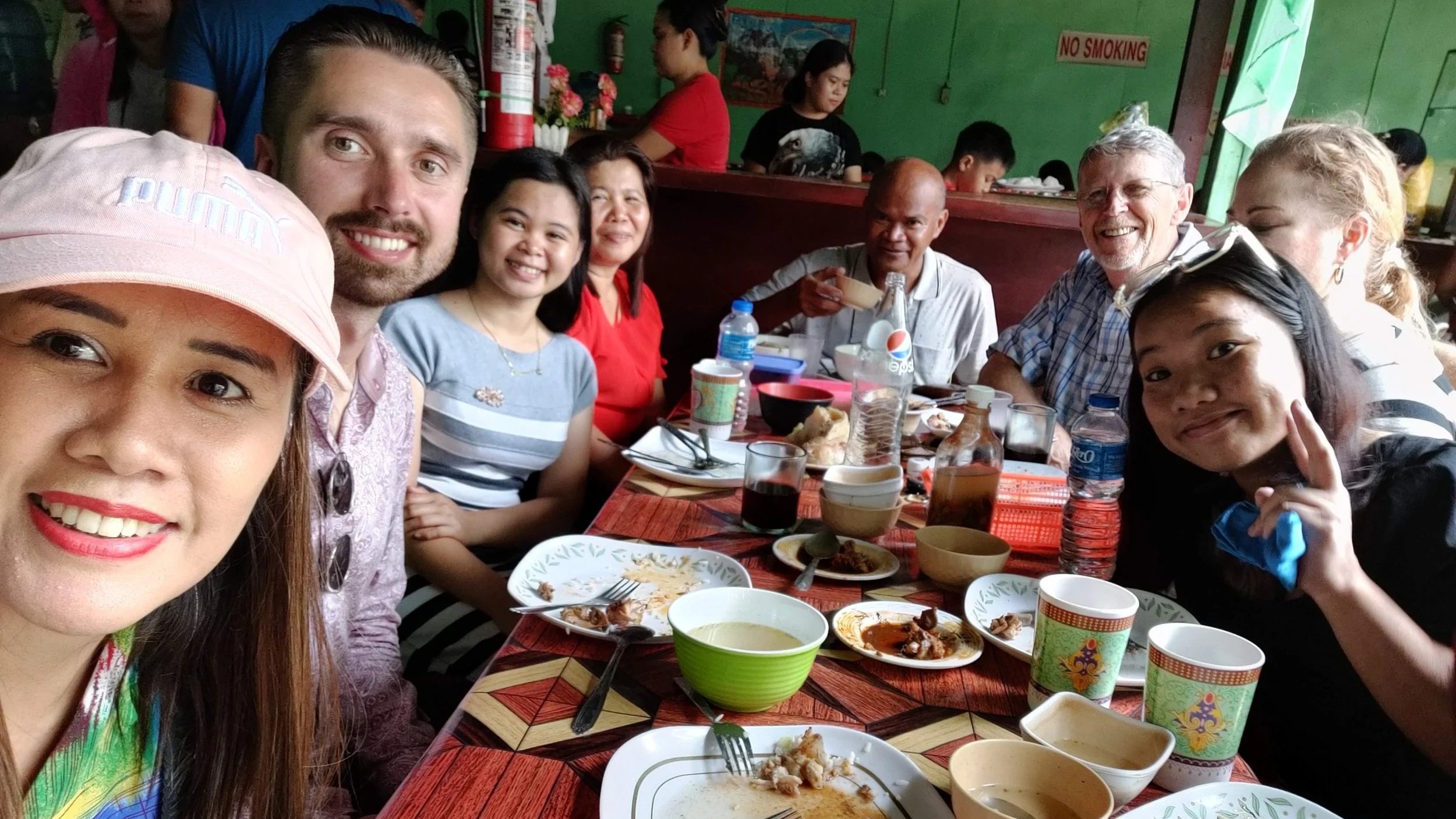
For me, weekends are about finding balance.
Too much activity drains me.
But complete isolation is not healthy either.
There is a difference between solitude and isolation.
Solitude restores you.
Isolation disconnects you.
Sometimes I need time alone.
A quiet morning.
A walk.
A slow breakfast.
Time with God.
Other times I need meaningful conversations with teammates.
I need friendships.
I need encouragement.
We were created for relationship.
The goal is not to escape people.
The goal is to return to people healthier.
After the Outreach: The Most Overlooked Season
One of the biggest mistakes I made was not understanding what happens after the mission.
Many people prepare for the mission.
Few prepare for coming home.
But the transition home can be one of the most difficult parts.
When I returned after months of intense ministry, my body was home, but my mind was still on the mission field.
The schedule stopped suddenly.
The crowds disappeared.
The microphone was gone.
The constant activity was gone.

And everything felt quiet.
Too quiet.
I now understand that my body needed time to adjust.
During missions, there is constant stimulation.
Travel.
Preaching.
People.
Decisions.
Pressure.
Excitement.
When that suddenly disappears, your brain does not immediately return to normal.
This is why the first days home are so important.
I try not to immediately schedule meetings.
I try not to fill my calendar.
I give myself time.
I walk outside.
I spend time with family.
I read.
I pray.
I allow my body and mind to catch up.
The temptation is to believe:
"I'm home, so I'm recovered."
But that is not always true.
Sometimes the greatest wisdom is recognizing that recovery is still part of the assignment.
Understanding the Highs and Lows of Ministry
One thing I wish I understood earlier was what happens inside our bodies during intense seasons of ministry.
When we preach, lead, travel, and constantly engage with people, our bodies respond.
God created us with systems that help us handle demanding situations.
Adrenaline rises.
Our focus increases.
Our emotions become highly engaged.
When we see people respond to the Gospel, when we pray with someone receiving Jesus, when we witness transformation, it brings incredible joy.
And it should.
These moments are beautiful.
But we must understand something:
Not every feeling after a great outreach is only spiritual.
Sometimes our bodies are also responding to the intensity of the moment.
The same systems that help an athlete perform, a firefighter respond, or a speaker stand before thousands also activate during ministry.
The danger comes when we live in that heightened state continuously.
The body was designed for moments of intensity.
It was not designed to stay at maximum intensity forever.
Many evangelists unknowingly become addicted to the pace.
Not necessarily addicted to ministry itself, but addicted to the constant stimulation.
The crowds.
The travel.
The excitement.
The urgency.
The next breakthrough.
Then they return home.
The meetings stop.
The crowds disappear.
The schedule slows down.
And normal life feels empty.
Sometimes they think:
"Something is wrong spiritually."
But sometimes what is happening is that their body is simply adjusting.
This is why we must be careful.
When we come home exhausted, we are often vulnerable.
We may seek stimulation in unhealthy places.
Endless scrolling.
Entertainment.
Food.
Other distractions.
Even temptation can become stronger when we are tired and depleted.
This is why recovery is so important.
We don't just recover so we can feel better.
We recover so we can remain faithful.
The Importance of Sleep
One of the biggest practical lessons I learned is that sleep is a foundation.
Especially in ministry.
Sleep affects everything.
Your patience.
Your emotions.
Your ability to make decisions.
Your self-control.
Your relationships.
When I don't sleep well, I notice the difference.
I become more easily frustrated.
I overthink more.
Small problems feel bigger.
I don't respond to people the way I should.
That is why I try to prioritize eight to nine hours whenever possible.
One simple habit that helps me is setting my alarm in the evening.
Instead of only thinking about what time I need to wake up, I think:
"If I go to sleep now, how many hours will I actually get?"
I also put my phone away from my bed so I cannot simply grab it and start scrolling.
Small changes create big results over time.
Exercise: Strengthening the Body for the Mission
For a long time, I thought exercise had to be intense.
If I worked out, I wanted to push myself as hard as possible.
But I have learned that the goal is not to destroy my body.
The goal is to strengthen it.
Especially during mission trips, even twenty minutes of movement can make a difference.
Walking.
Light jogging.
Jump roping.
Simple exercises.
Movement clears my mind.
It helps me process emotions.
It helps my body release stress.
I have learned that a longer, lighter workout often benefits me more than a short, extreme one.
The goal is not exhaustion.
The goal is health.
Nutrition: Fueling the Messenger
Another area I had to change was my eating.
When we travel, it is easy to simply eat whatever is available.
Sometimes that is necessary.
But what we eat affects how we feel.
During missions, I try to prioritize:
Water.
Electrolytes.
Fresh fruit.
Protein.
Simple, nourishing meals.
After sweating all day in hot climates, replacing fluids and electrolytes is important.
I also try to limit processed foods, excessive sugar, and foods that make me feel sluggish.
Food will not solve every problem.
But taking care of your body gives you a stronger foundation to serve.
The message is spiritual.
But the messenger is physical.
We must take care of both.
Healthy Boundaries
One of the hardest lessons I have learned is saying no.
I love ministry.
I love people.
I love opportunities.
But every yes requires something from me.
Sometimes pastors ask me to preach.
Sometimes people want another meeting.
Sometimes teammates want to continue activities late into the night.
Many of these are good things.
But good things are not always the right things.
I had to learn to ask:
"What is the most valuable thing God has asked me to do right now?"
Not everything urgent is important.
Not every opportunity must be accepted.
Sometimes saying no allows you to say yes to the things that matter most.
A burned-out minister may have a willing heart but no strength left to serve.
Healthy boundaries protect the calling.
Accountability Changed Everything
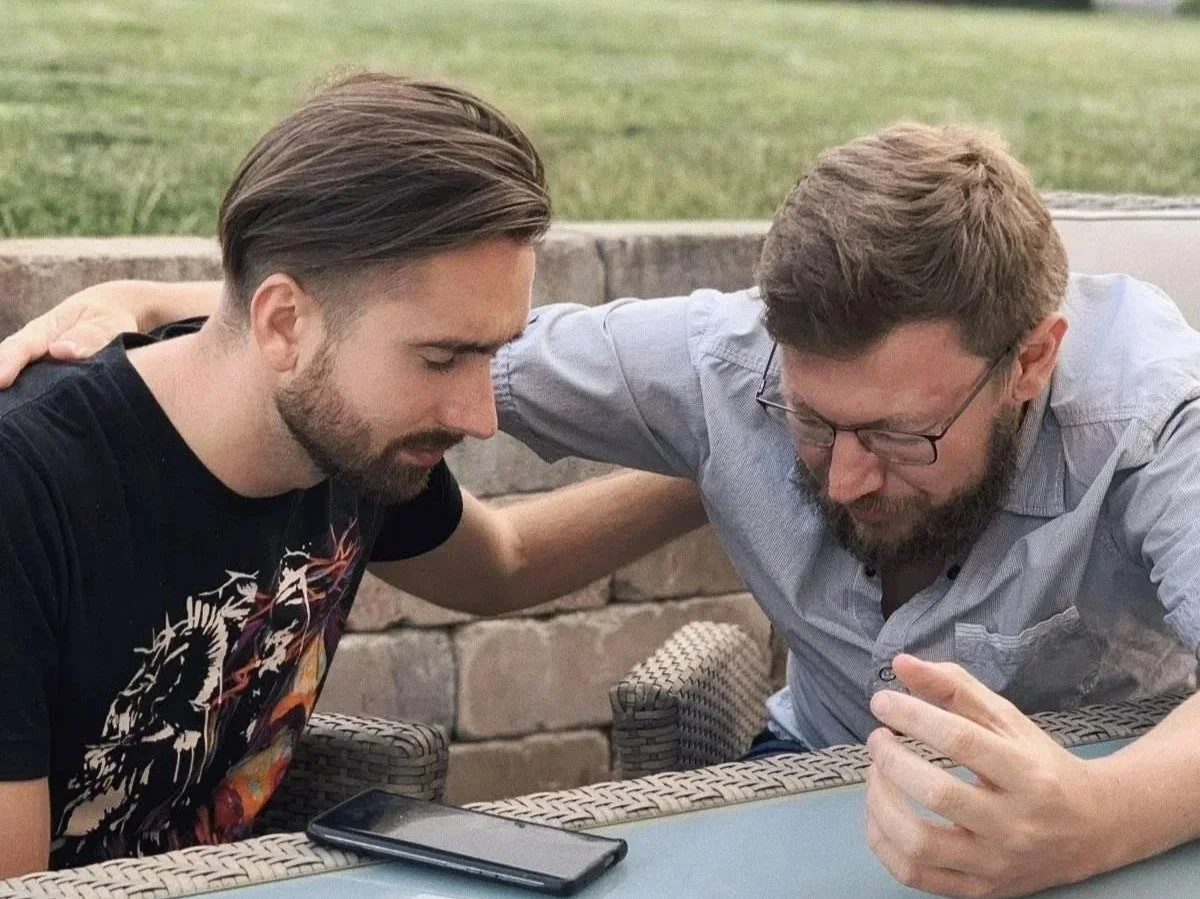
One of the biggest changes after burnout was realizing I could not do this alone.
I needed accountability.
Currently, I have a coach who I update with how I am doing.
I have daily habits that I track.
Things like sleep, exercise, and healthy routines.
At first, I thought I should simply have enough discipline by myself.
But I learned something:
We all have blind spots.
We all need people who can help us see what we cannot see.
God uses pastors.
Mentors.
Friends.
Coaches.
Leaders.
Not because we are weak.
Because we were never designed to walk alone.
Even great leaders need guidance.
Even experienced ministers need people who can speak into their lives.
God Wasn't Finished With Me
The story of burnout does not end with me quitting.
It ends with restoration.
Today, I am sitting on another airplane heading back to the mission field.
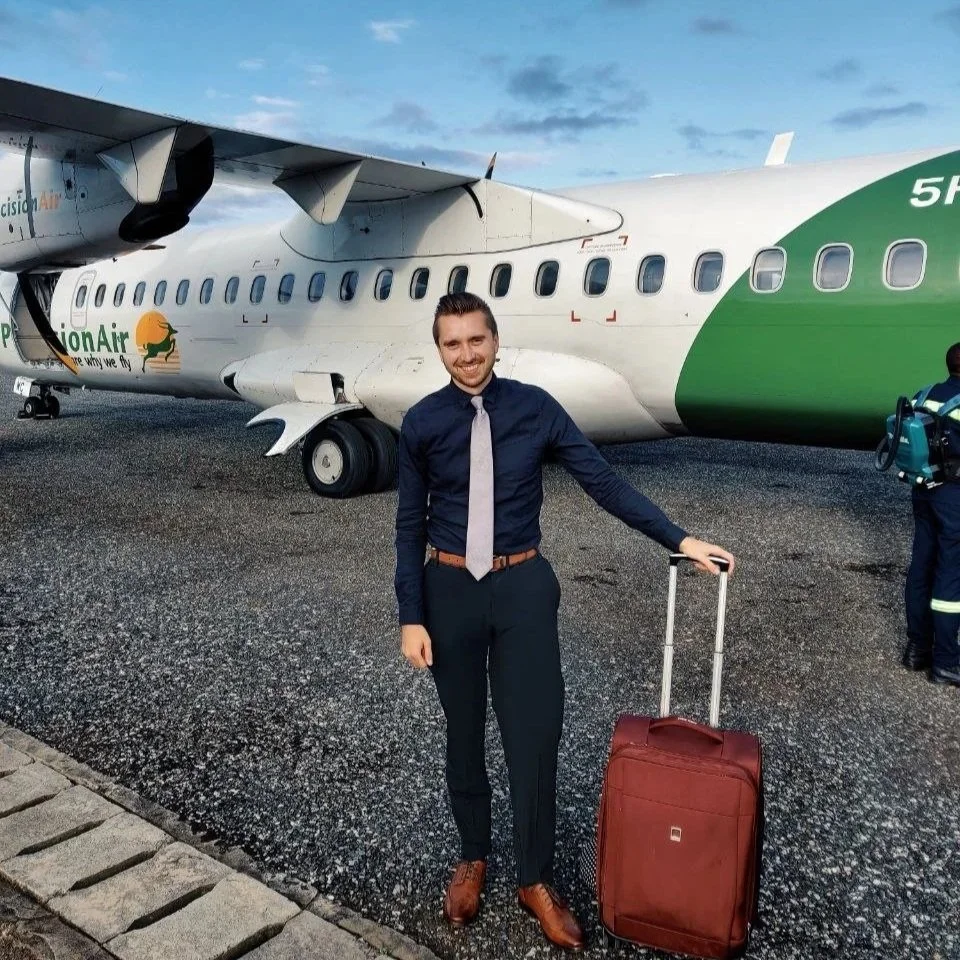
And honestly, I have tears in my eyes.
Because there was a season when I wondered if I would ever preach again.
There was a season when I wondered if God was finished using me.
But here I am.
Going again.
This time leading a team.
This time with more wisdom.
This time understanding that endurance requires stewardship.
God is truly faithful.
The Bible says:
"Though a righteous person falls seven times, they rise again." Proverbs 24:16
I have fallen more than seven times.
But every time, Jesus has lifted me again.
Just like He reached out His hand to Peter when he was sinking in the water, He has reached out His hand to me.
"Try again, son.
Try again."
Finishing Well
When I first started ministry, I wanted to do everything.
Go everywhere.
Preach everywhere.
Reach everyone.
And there is still a fire in my heart for the lost.
That fire has not changed.
But now I understand something:
The goal is not simply to burn brightly.
The goal is to burn faithfully.
I don't want to serve Jesus passionately for one year and disappear.
I want to preach Christ for decades.
I want to love Jesus when I am young.
I want to love Jesus when I am old.
I want to finish well.
Ministry is not a sprint.
It is a marathon.
And the greatest victory is not how fast we run at the beginning.
It is whether we are still running when we reach the finish line.
A Final Encouragement
If you are reading this and you are exhausted, I want you to know something:
You are not the only one.
Many faithful servants have experienced this.
Maybe you are on the mission field right now.
Maybe you just returned home.
Maybe you are wondering why you feel empty after such a fruitful season.
Don't ignore it.
Talk to someone.
Reach out to your leader.
Make adjustments.
Rest before your body forces you to.
God has called you to carry the Gospel.
But He has also called you to take care of the vessel carrying it.
The message is precious.
But so is the messenger.
My prayer is that you would preach Christ with joy. Not only this year, but for many years to come.
Take care of your soul.
Take care of your body.
Take care of your calling.
More grace to you.