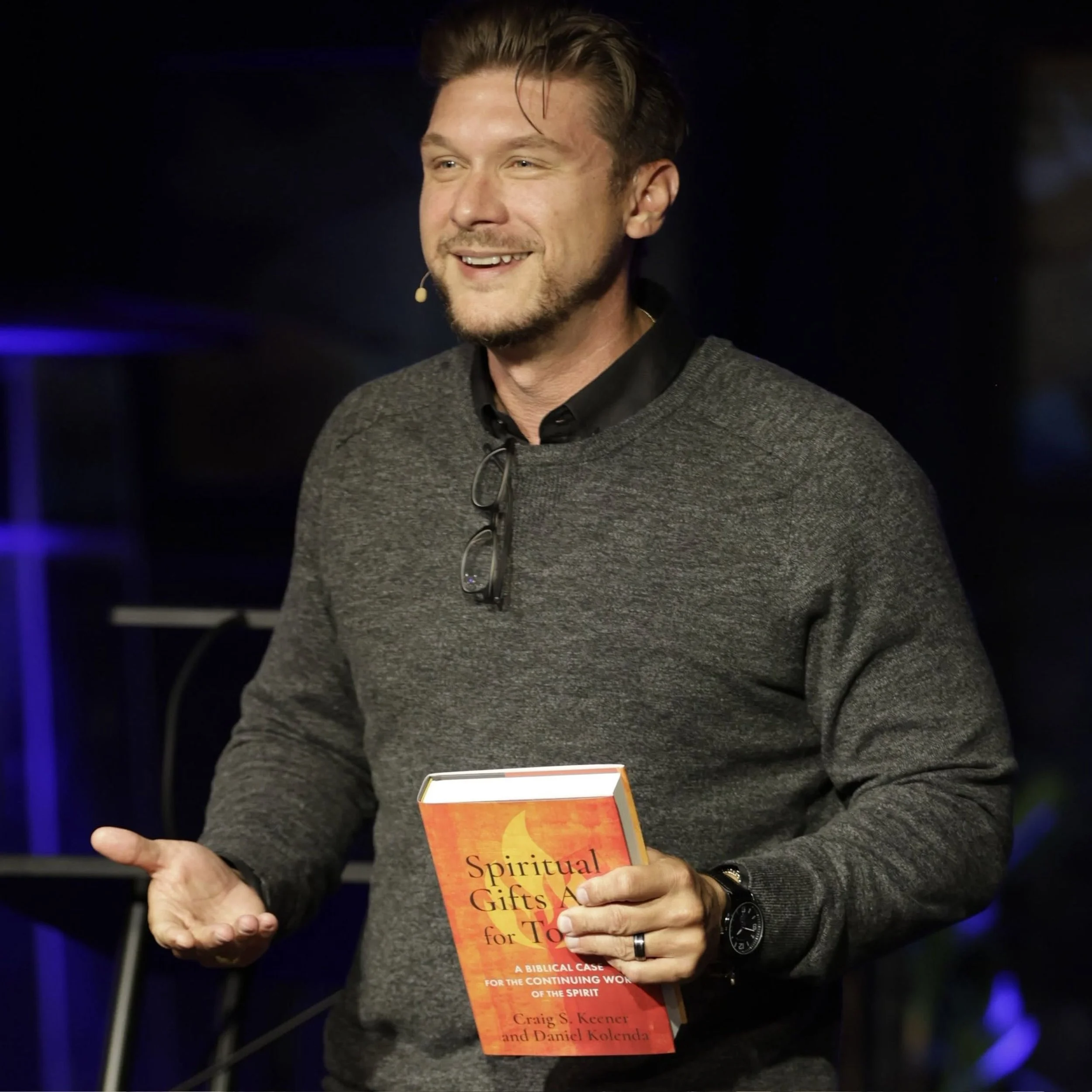
Notes from Daniel Kolenda’s School of Ministry after the CfaN Reunion, October 27, 2026.
How do you turn a message God has put on your heart into a book that can impact people for years to come?
During a School of Ministry session after the CfaN Reunion, evangelist Daniel Kolenda shared practical lessons from his experience as an author.
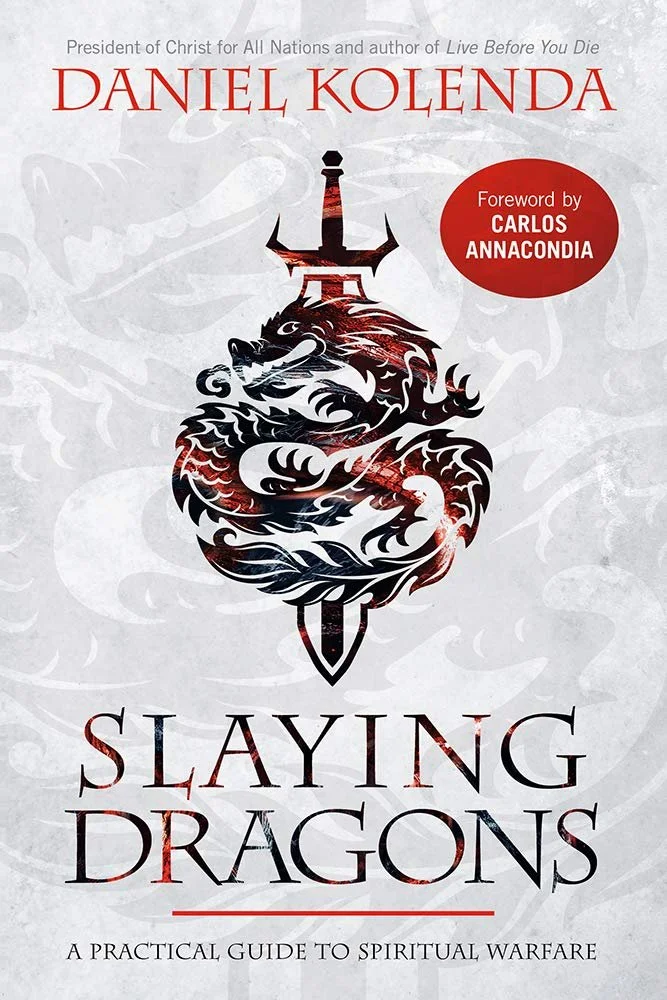
Books serve different audiences. Daniel’s Slaying Dragons, for example, was written for the average reader. Sometimes a project begins as a small booklet and grows into a much larger book.
Daniel compared finishing a book to having a baby. There is something special about finally holding in your hands something you conceived and brought into the world. Like childbirth, the process involves effort and difficulty, but the result makes the work worthwhile.
He outlined five stages of the book-writing process:
Love: Discover the message you feel compelled to share.
Conception: Brainstorm ideas, capture your thoughts, and gather material.
Gestation: Organize your ideas, develop an outline, and write the manuscript.
Giving Birth: Edit, revise, proofread, design, and publish your book.
Raising the Baby: Promote your book and help it reach the people who need its message.
1. Love: Find Something You Have to Say
Before you write a book, you need something to say.
When someone asks, “What do you want to write about?” many people answer, “I don't know.” They like the idea of being an author, but they haven't identified the message they want to communicate.
Daniel encouraged writers to examine their motives. Why do you want to write a book? Are you trying to prove something, or do you have a message you genuinely want to share?
Writing a book is a serious commitment that can take months or years. It is not something to approach flippantly. You need to identify a subject you care deeply about.
Ask yourself:
What message burns in my heart?
What am I passionate about?
What makes me angry because something needs to change?
What subjects do people ask me about, often following up with more questions?
If I had one opportunity to speak to a billion people right before I died, what would I say?
Daniel recalled that people would ask him, “How do I discover my calling in life?” Whenever someone asked that question, his mind would fill with thoughts and ideas. That response revealed how much he had to say about the subject.
Pay attention to the topics that naturally stir something in you. What do you find yourself thinking about repeatedly? What would you want people to understand if you had only one chance to communicate it?
Daniel also spoke about the relationship between preaching and writing books. Both require you to identify a message and communicate it clearly, although the two forms of communication are different.
Once you identify your subject, distill the central message into one precise sentence. What is the main idea of your book? What do you want the reader to take away?
There are already many books in the world. You don't want to write one simply for the sake of writing one. You need to know what you want to say and why it matters.
2. Conception: Get Your Ideas Out of Your Head

Many people fail at the beginning because they don't know how to get started. They have ideas, but the ideas remain in their heads instead of becoming something they can work with.
Daniel recommended brainstorming and collecting your thoughts in an organized way.
Capture your ideas
Daniel used Evernote, a note-taking program that allows him to collect and organize ideas in one place. Rather than writing thoughts on scattered pieces of paper and later struggling to find them, he could return to a central collection of notes.
The important thing is to establish a system that works for you. When an idea comes, write it down. Don't assume you'll remember it later.
Another method Daniel described is having an in-depth conversation with someone who stimulates your thinking. Find someone who has interesting insights, invite them to talk about your subject, and record the conversation.
Spend two or three hours discussing the topic. The conversation can generate a substantial amount of material. Daniel used this approach while developing Live Before You Die. The recording could be transcribed, providing raw material for the book that could then be organized and edited.
AI tools can also help turn notes or transcripts into an organized outline. However, the result is only a starting point. You still need to determine what belongs in the book, what needs to be removed, and how the ideas should be developed.
Start writing now
When Daniel was around 26 years old, he had never written a book. He decided to start writing a blog post every day.
At the time, he used Blogger to publish short posts, often sharing a devotional thought or principle in approximately 350 to 500 words. Each post could take two or three hours to write. It was difficult to maintain that routine day after day and month after month, but he kept going.
Much of the material eventually contributed to Live Before You Die. He also drew on material developed during those years when writing Slaying Dragons. The effort wasn't wasted.
Daniel compared writing to exercising a muscle. The more you use it, the stronger it becomes. Just as the first workout can be difficult, writing may feel challenging when you're starting out. With regular practice, you develop greater ability and discipline.
You don't need to begin by writing hundreds of pages. Start with 200 words a day. If you can consistently write 200 to 500 words, the material will accumulate.
Read as well as write
Daniel emphasized that writing isn't enough. You also need to read.
He suggested an ambitious goal: for every page you write, read ten pages. Identify books on your subject and study them. One book can lead you to many others through its references and bibliography. Sometimes following those references leads to particularly valuable discoveries.
As you read, collect notes, quotations, statistics, stories, thoughts, and illustrations. This process, which Daniel described as a kind of thought dump, builds a collection of material you can draw from while writing.
You may also find yourself returning to certain books as you work. When you are deeply engaged in a subject, you begin noticing connections and understanding material differently.
Capture inspiration when it comes
Inspiration doesn't always arrive according to your schedule.
Daniel shared that while working on a book about women in ministry, he struggled with a question and felt torn about how to approach it. After going to sleep, he woke up with an answer. Whether through the work of the Holy Spirit, the mind processing a question, or both, the insight came at an unexpected time.
That is why it helps to have a way to capture your thoughts wherever you are. Use voice memos to dictate ideas into your phone, or keep a notes app available.
Daniel explained that writing can sometimes involve a frustrating period at the beginning. He might sit down, write something, delete it, and struggle for an hour before the words begin to flow. The important thing is to keep working rather than give up immediately.
Some people are more naturally creative, while others depend more heavily on routine and discipline. Both need to find a way to keep writing.
3. Gestation: Organize Your Thoughts and Develop the Book
Once you have gathered enough ideas, the next stage is to organize them into a manuscript.
Begin with an outline. Group your notes into sections that can become chapters, and write a one-sentence description of what each chapter will cover.
Your outline may change as you write. That's normal. You may discover new connections, realize that some sections belong together, or find that a chapter needs to be divided into smaller parts.
Daniel mentioned that a book of around 5,000 words across ten chapters can be a substantial starting point. Even five chapters may be enough for a particular subject. The point is to begin with what you have rather than assume the book must be enormous.
He also described working on a chapter that reached around 60,000 words. Material of that size needs to be broken into smaller, manageable sections.
Give yourself permission to write a bad first draft
Daniel emphasized that a first draft will be messy. Don't get stuck correcting grammar, editing every sentence, or trying to find the perfect way to express each thought.
Just keep writing.
Many authors become so concerned about getting the manuscript right that they never finish it. The first draft is where you get the ideas onto the page. Editing comes later.
You may discover that some material doesn't belong, or that an entire approach needs to change. That is part of the process. Don't let the desire for perfection prevent you from making progress.
Use tools designed for writing books
Daniel recommended Scrivener, a writing program designed for long-form projects. Unlike a standard Word document, it allows you to organize a book into sections, rearrange chapters, move material around, and export the manuscript.
He encouraged writers to invest a few hours in learning how to use the program properly. Understanding its features from the beginning can make the writing and editing process more efficient.
Other tools he mentioned include:
Evernote: For collecting and organizing notes.
Logos Bible Software: A paid resource for Bible study and research.
BlueLetterBible.org: A free resource with Bible study tools, including concordances.
Zotero: A tool for organizing research and references.
You don't need every tool. Choose those that help you with your particular project.
Daniel also cautioned preachers about turning sermons directly into books. Sermons can provide excellent ideas, illustrations, and insights, but a sermon that works well when spoken may not work equally well on the page. Use the material as a starting point and adapt it for readers.
Set a daily goal
Daniel's own goal is around 500 words a day. He explained that he spends time thinking and praying, so he doesn't necessarily write all day. If 500 words is too much for you, start with 200.
A consistent daily goal helps you maintain momentum. Over time, those words add up.
He also advised against announcing your book too early. When you tell people about your plans, their encouragement and excitement can give you a sense of reward before you've actually completed the work. You may feel as though you've accomplished something simply because you've talked about it.
Instead, focus on doing the work privately. Finish the project, then share it.
Daniel recalled that his wife was surprised when the finished work appeared and asked, “When did you have time for this?”
4. Giving Birth: Edit, Finish, and Publish

Once the manuscript is written, it's time to bring it to completion.
Daniel emphasized the importance of reviewing your own work, getting feedback, and working with qualified editors and proofreaders. You may believe your argument is airtight, but another person may notice that something is unclear, inconsistent, or incomplete.
He said he had revised some of his work around 20 times before publishing it. Rewriting and reviewing are normal parts of the process.
Several stages may be involved.
1. Line editing. This involves examining the manuscript sentence by sentence, improving the author's voice, clarity, flow, and arguments so that the writing works together effectively.
2. Copyediting. This focuses on grammar, consistency, spelling, and the style of the manuscript. Footnotes and references also need to be accurate.
3. Typesetting and layout. The manuscript is formatted so that it looks like a professionally produced book rather than an ordinary document.
4. Proofreading. After the layout is complete, the formatted pages need another careful review. Errors can remain even after several rounds of editing.
5. Cover and title design. The cover and title help communicate what the book is about and attract the attention of potential readers.
Daniel stressed the importance of the title. You can have an excellent book with a title that fails to attract attention. He observed that people often buy titles first.
Titles such as Do It Now or What to Do on the Worst Day of Your Life? immediately create interest. The title gives readers a reason to stop and consider the book.
Give careful thought to the title and cover rather than treating them as an afterthought.
Find professional help
If you need an editor, Daniel suggested looking at books you admire and checking their acknowledgments. Editors are often credited, and you may be able to contact them directly.
Publishers may also be able to recommend editors or provide editing services. Other resources include ChristianEditor.com, which connects Christian authors with editorial professionals, and the Editorial Freelancers Association at the-efa.org.
Traditional publishing or self-publishing?
Daniel expressed a strong preference for self-publishing in many circumstances. His concern was that authors sometimes expect a traditional publisher to take care of everything, including selling the book, only to discover that they must do much of the promotion themselves.
He encouraged authors to understand the financial arrangements before signing a contract.
Ask questions such as:
What is the advance?
What royalties will I receive?
How many books would I need to sell to earn back the advance?
What marketing and distribution will the publisher actually provide?
An advance is generally recouped against future royalties according to the terms of the contract. Authors need to understand those terms rather than assume that a publishing agreement guarantees income.
Self-publishing gives an author more control, but it also means taking responsibility for production, distribution, and promotion. Services are available that will help prepare a manuscript for publication for a fee.
Daniel also discussed Amazon as a major way to make books available to readers. You don't necessarily need to print thousands of physical copies before publishing. Print-on-demand services can produce books as orders come in, reducing the need to store inventory.
Printing a large quantity in advance can leave you with boxes of unsold books. Although printing in smaller quantities may cost more per book, it can reduce the risk of holding inventory you cannot sell.
The best choice depends on your goals, resources, and the terms available to you.
5. Raising the Baby: Help People Discover Your Book
Publishing a book is not the end of the process. You also need to help people discover it.
Daniel compared this stage to raising a child. Bringing the book into the world is one thing; caring for it and helping it reach people is another.
Build a launch team
Daniel recommended gathering a group of people who genuinely support your work. You might begin with 10 or 15 people, or build a larger team as your audience grows.
They can help spread the word and, if they choose, leave honest reviews. Reviews should reflect their genuine opinions and follow the publishing platform's rules.
Daniel emphasized that authors need to become the biggest champions of their own books. You cannot assume other people will promote your work if you are unwilling to talk about it yourself.
Promote the message
Use the platforms available to you. Share excerpts on social media, discuss the book on podcasts, create YouTube videos, and talk about the subject in ways that help people understand why it matters.
Give copies to people who may benefit from the book or help it reach a wider audience. If someone shares a post about your book, consider sharing their post as well. These efforts can help introduce the book to new readers.
Daniel also discussed selling books directly at ministry events or product tables. Selling directly can allow you to retain more of the revenue, although you must still account for production and other costs.
Be thoughtful about how many copies you order. If you buy a large quantity, you need a realistic plan for selling or distributing them. Unsold inventory ties up money and takes up space.
The goal is to get the book into the hands of people who need its message while managing the costs responsibly.
What About AI?
During the session, Daniel addressed the growing use of artificial intelligence in writing.
His advice was clear: Don't use AI to write your book. He cautioned against using it to generate the sentences, chapters, or manuscript itself.
His concern was that AI-generated writing could hollow out the author's voice and produce something that feels generic. Readers who choose to read an author's book want to hear that person's perspective, experiences, and way of communicating.
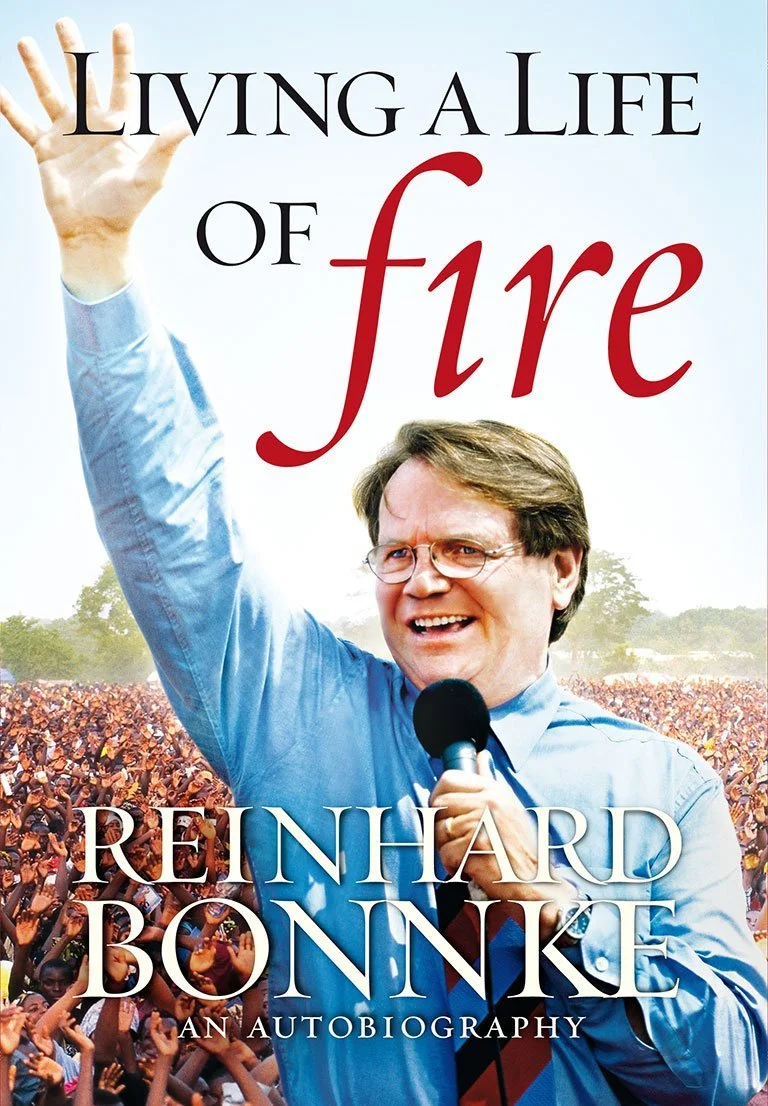
Daniel referred to Reinhard Bonnke's Living a Life of Fire as an example of a book in which readers want to hear the author's own voice.
He did distinguish between using AI to write a manuscript and using it as a tool around the writing process. AI can help with research, brainstorming, organizing notes, and generating questions that stimulate further thought. The author must still do the work of developing and communicating the message.
Daniel also cautioned against relying on AI to produce a final book cover. A graphic designer can use an AI-generated concept as a starting point, then develop the design into a professional cover suitable for print.
His central concern was preserving the human voice and thought behind the book rather than allowing technology to replace the author's own work.
Q&A: Additional Lessons from Daniel
What if an idea seems good until you start writing it?
Sometimes an idea sounds excellent when it is still abstract, but as you begin developing it, you realize that there isn't enough substance to support it.
Daniel explained that writers must be willing to abandon an idea when necessary. He described spending many hours developing two chapters before realizing that his approach was wrong. He ultimately threw the work away.
He compared this to building a structure. Scaffolding helps you construct a building, but the scaffolding itself is eventually removed. Some of the work you do while developing a book may serve a purpose even if it doesn't appear in the final manuscript.
Don't continue with a weak approach simply because you've already invested time in it. Be willing to reconsider the central idea and move forward.
How do you know when a book is finished?
Daniel described watching an artist create a painting. The artist continued making small adjustments, adding final accents, and eventually signed the painting and stopped.
Writing can be similar. You could continue revising indefinitely, but at some point you must recognize that the work is complete.
Ask yourself whether every section directly supports the subject of the book. Are there unnecessary detours or repeated ideas? Is there material that adds length without adding value?
Daniel was strongly opposed to fluff. He described books in which one chapter contains a valuable message, but the remaining chapters repeat the same point in different ways.
His advice was to say what you need to say, say it well, and stop. Don't try to hit an arbitrary word count. A short book can be exactly what the subject requires.
Should you write in another language or your mother tongue?
Daniel recommended writing in your heart language, the language in which you naturally think and express yourself. He compared writing to poetry and explained that ideas can lose their natural expression when forced into another language.
His recommendation was to write the book in the language that comes most naturally to you and translate it afterward.
How should you approach the book cover?
Daniel recommended hiring a professional graphic designer rather than relying on an AI-generated image as the final cover. An image that looks acceptable on a screen may not have the resolution needed for a printed book.
AI can help develop a concept, but a graphic designer can refine that concept and prepare a professional design for publication.
Does writing help with preaching?
Daniel described writing as a form of formalized thinking. When he prepares to preach, he writes his message out word for word beforehand. He shared that there are times when he writes while deeply sensing the presence of God, even typing through tears, before later preaching the message.
However, he acknowledged that people have different processes. Some may need to speak their thoughts aloud before they can write them down. The important thing is to discover the process that helps you develop and communicate your ideas.
What about the financial and business side of publishing?
Daniel discussed the importance of understanding the financial arrangements involved in publishing and selling books.
He mentioned that whether to establish an LLC may depend on the volume of business and revenue involved. He also emphasized that having an LLC does not eliminate tax obligations.
He shared an example from his own arrangements involving CfaN and book sales. Depending on the agreement, an organization may purchase and resell books, and the author may be compensated through a different arrangement rather than receiving royalties on each sale. Other authors may have different royalty agreements.
The important lesson is that authors should understand their own arrangements, including who purchases the books, who receives the sales revenue, and how the author is compensated. Tax and business decisions should be made with appropriate professional advice.
Would Daniel rewrite any of his earlier books?
Daniel mentioned that he would like to produce new editions of Slaying Dragons and Unlocking the Miraculous. With the additional experience and wisdom he has gained since writing them, he believes he would approach those books differently today.
This illustrates that writing is a process of growth. Even after a book is published, an author's understanding can continue to develop.
Final Encouragement
Writing a book requires more than having a good idea. It requires passion, discipline, organization, revision, and a willingness to see the project through to completion.
Start with a message you care about. Capture your ideas, read widely, write consistently, and give yourself permission to produce an imperfect first draft. When the manuscript is ready, seek feedback, edit carefully, and make thoughtful decisions about publishing and promotion.
You don't have to write the entire book today. Start with the next paragraph, the next page, or the next 200 words.
The most important step is to begin.